

Terraria Online
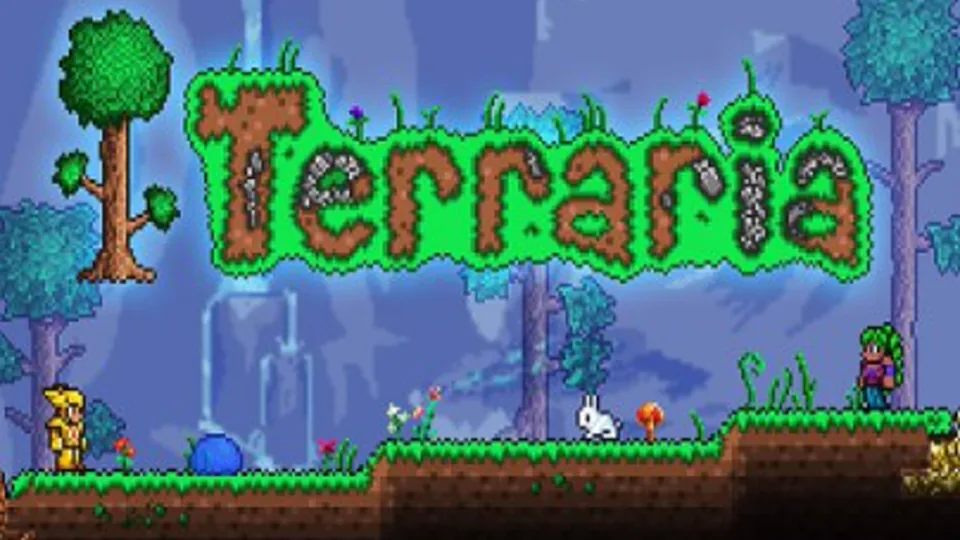
Terraria is Re-Logic's 2D action-adventure sandbox about digging, fighting, exploring, building, housing NPCs, preparing bosses, and unlocking Hardmode progression.
Dig, Fight, Explore, Build
Terraria is Re-Logic's 2D action-adventure sandbox, officially framed by the famous loop: dig, fight, explore, build. That short phrase is accurate because Terraria is not only a building game, not only a mining game, and not only a boss-rush RPG. It becomes interesting when all of those parts feed each other. A tunnel leads to ore. Ore becomes armor. Armor makes a biome safer. A biome provides materials, accessories, or a boss route. A boss unlocks the next phase of the world.
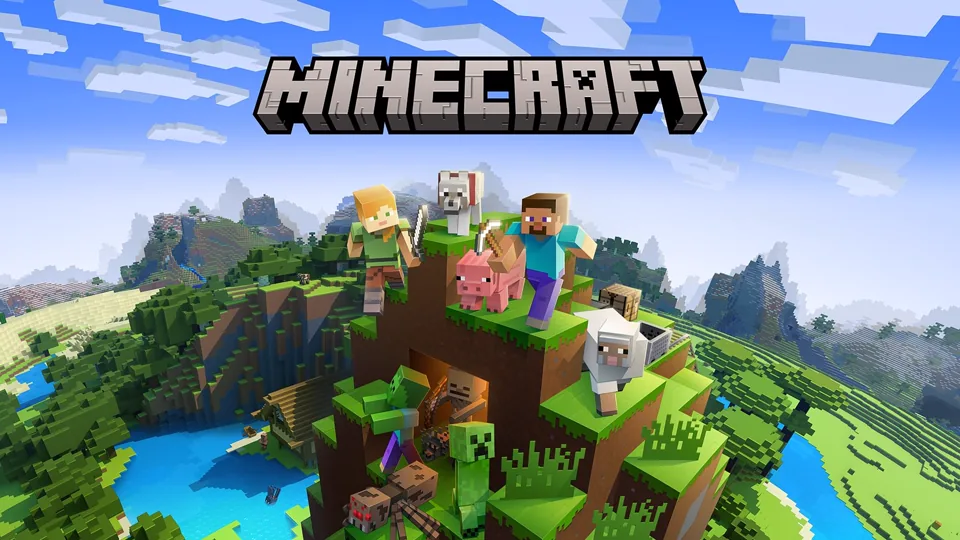
The comparison to Minecraft is understandable because Terraria has blocks, mining, crafting, houses, and open-ended construction. The feel is different. Terraria is more progression-driven, more combat-heavy, and more tied to gear, mobility, bosses, NPCs, and biome routing. A house is not only decoration. A cave trip is not only resource collection. A boss fight is not only spectacle. Each system pushes the next one forward.
The first useful mindset is simple: return stronger than you left. Stronger can mean better weapons, more health, new accessories, potions, armor, a new crafting station, a safer mine route, valid NPC housing, or a boss arena. Wandering can be fun, but progression comes from converting exploration into upgrades.
Shelter, NPCs, and Town Services
The early game begins with practical construction. Gather wood, build a starter house, add background walls, light, a door, and basic comfort furniture such as a chair and table or workbench. Valid housing matters because NPCs are part of Terraria's progression system. The Guide explains crafting relationships. The Merchant sells useful basics. The Nurse can heal and remove debuffs. The Demolitionist, Arms Dealer, Goblin Tinkerer, Mechanic, Wizard, and many later NPCs turn the town into infrastructure.
That is why a good base is not only a pretty build. It is a support network. Extra rooms let new NPCs move in when their conditions are met. Organized storage makes crafting faster. Nearby crafting stations reduce friction. A safe town gives the player a place to prepare before dangerous biome trips. If the base is chaotic, every expedition starts slower.
Housing also shapes pacing. A player who builds several valid rooms early often gains access to services at the moment they become relevant. A player who ignores housing may have the item progression to trigger new NPCs but no place for them to live. Terraria rewards players who prepare space before they need it.
Later town planning adds another layer through happiness and pylon-style travel. NPC placement can affect prices and convenience, so stacking everyone into one cramped block is not always the strongest long-term plan. Splitting towns across useful biomes can make travel cleaner and reduce the friction of reaching desert, jungle, snow, ocean, or cavern routes. A good town network is not only pretty. It saves time every time the next expedition starts.
The Goblin Tinkerer is a good example of why services matter. Reforging can turn accessories and weapons from acceptable to excellent, and tinkering combines smaller accessories into stronger tools. That makes earlier loot worth saving. A movement accessory that looks minor in the first cave may later become part of the mobility plan that makes a boss fight readable.
Caves, Biomes, and Useful Expeditions
After the first shelter, Terraria becomes a chain of expeditions. Forest, desert, snow, underground caves, jungle, evil biomes, floating islands, dungeon, ocean, and underworld all have different resources and dangers. A cave trip should have a goal: ore, life crystals, gems, chests, accessories, potion ingredients, or a route that makes future travel safer.
Life crystals deserve special attention because more health changes the game more than another stack of random blocks. Mobility accessories are also crucial. A player with better jumping, running, grappling, or fall protection can survive fights that would otherwise feel unfair. Terraria combat is often a movement test disguised as a damage test.
Storage discipline helps more than it sounds. Sort ores, blocks, weapons, accessories, potions, furniture, and crafting materials. Save accessories even if they look minor, because many later combine into stronger items. Terraria has long crafting chains, and selling or discarding a strange item too early can create regret later.
Biome routing should be purposeful. The jungle is rich but punishing. The dungeon is locked behind Skeletron. The underworld is dangerous even before the Wall of Flesh becomes the target. The ocean can be valuable but sits at the edge of the world. Floating islands reward vertical exploration. Each biome asks for a slightly different kit: platforms and rope for vertical caves, water tools for flooded areas, mobility for the jungle, and stronger weapons before the dungeon.
Boss Gates and Arena Preparation
Terraria's boss structure turns sandbox freedom into milestones. King Slime can be early practice. Eye of Cthulhu is a common first serious test. Eater of Worlds or Brain of Cthulhu pushes the evil-biome path. Queen Bee rewards jungle preparation. Skeletron opens the dungeon. Wall of Flesh is the world-changing gate into Hardmode.
Do not summon bosses just because the item exists. Prepare the environment first. A few rows of wooden platforms, torches, campfires, open movement space, and enough potions can matter more than one small weapon upgrade. Bosses punish cramped terrain because dodging is part of the fight. If the arena is bad, the fight can feel harder than your gear actually is.
The Wall of Flesh deserves extra caution. It is summoned in the underworld and moves relentlessly across the area, forcing the player to keep moving while handling lasers, leeches, and The Hungry. Defeating it releases Hardmode, which changes enemy pressure, ore progression, world management, and future boss routing. Before that fight, organize storage, expand or protect NPC housing, prepare an underworld runway or safe travel path, and make sure the gear plan is deliberate.
That means the question before the Wall of Flesh is not "can I summon it?" The question is "is this world ready to become harder?" A prepared player has housing, storage, a potion supply, an underworld route, a class plan, and enough mobility to fight while moving. An unprepared player may win the boss and immediately struggle because the world itself has changed faster than the base, gear, and routes can support.
Hardmode preparation starts before Hardmode exists. Build safe routes, keep money and potions ready, organize materials, protect key NPCs, and leave room for new crafting stations.
Classes and Preparation Logic
Terraria's combat styles become clearer over time. Melee emphasizes defense, positioning, and close-range pressure. Ranged builds use bows, guns, ammo, and distance to learn enemy movement. Magic asks for mana management and spell choice. Summoner gear grows into a distinct identity as minions, whips, and accessories improve. You do not need a permanent class choice in the first hour, but a boss attempt works better when the weapon, armor, accessories, and buffs support one main plan.
Accessory slots are often the quiet difference between frustration and control. Mobility accessories make dodging possible. Defensive accessories can turn a mistake from fatal to survivable. Damage accessories shorten dangerous phases. Utility accessories help with caves, water, fall damage, light, or building. The mistake is treating accessories as passive trinkets. In Terraria, accessories are part of the character build.
Potions and food buffs are not optional decoration for hard fights. Regeneration, ironskin, movement, mana, archery, endurance, or class-specific buffs can change whether a fight is manageable. Terraria's preparation layer is part of the combat design. The player who wins is often the player who built the arena, sorted the inventory, picked the right accessories, and entered with buffs active.
When a biome kills you repeatedly, shrink the mission. Do not try to conquer the jungle, dungeon, or underworld in one trip. Take one chest, one shortcut, one resource stack, one safer entrance, or one new crafting ingredient. Terraria rewards repeated improvements more than heroic dives.
Why Terraria Still Feels Huge
Terraria feels large because its systems interlock. Mining feeds crafting. Crafting feeds combat. Combat unlocks NPCs and boss routes. Bosses unlock new materials and world states. Building supports NPCs and preparation. Exploration reveals resources that change the next fight. Hardmode then remixes the world with stronger enemies, new ores, new gear paths, and bigger goals.
That interlock is why pure wandering can feel less satisfying than targeted play. A strong session has a reason: build housing, gather ore, find life crystals, reach a biome, prepare a boss, make an arena, collect potion materials, rescue an NPC, or secure the underworld route before the Wall of Flesh. Freedom remains, but progress becomes easier to see.
Terraria is a side-view adventure where building, combat, and RPG growth all matter at once. Its best moments come when a plan pays off: the house fills with useful NPCs, the cave route finally reaches better ore, the arena makes a boss readable, or the Wall of Flesh falls and the world becomes more dangerous because you were ready to push it forward.