



Pokemon Overlord Online Roguelike
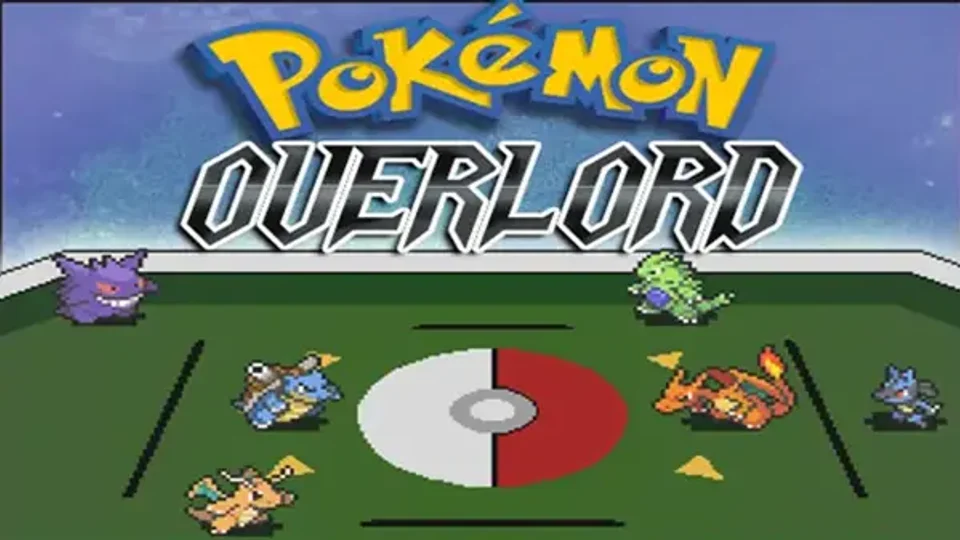
Pokemon Overlord is a strategy roguelike inspired by Unicorn Overlord, built around three-Pokemon squads, front-row and back-row formations, and short battles decided by preparation before the fight starts.
Three-Pokemon Tactics Under Pressure
Pokemon Overlord is a Pokemon strategy roguelike by jab_lao, inspired by the formation battles of Unicorn Overlord. Its identity is not long-distance travel, badge-route wandering, or ordinary six-slot RPG grinding. The game compresses the important decisions into compact squads, short battles, front-row and back-row placement, prepared attacks, prepared abilities, and repeated runs where roster shape matters immediately.
Each team can field up to three Pokemon. That smaller squad size changes everything. A normal party can hide weak coverage behind extra bodies. A three-Pokemon formation cannot. Every slot needs a reason to exist: a front-row defender, a fast attacker, a support piece, a type answer, a status plan, or a Pokemon that becomes stronger after item investment. A single bad slot can make the whole squad collapse.
The front row and back row are the heart of the battle system. Front-row Pokemon take the most direct pressure and act as the visible shield for the formation. Back-row Pokemon are safer from many attacks, but that safety comes with slower tempo. The question is never just "which Pokemon is strongest?" The better question is "which Pokemon can afford to stand in front, and which one becomes more valuable when protected behind it?"
Battles are short, often around one minute, so setup matters more than improvisation. Once combat begins, the formation starts proving whether the preparation was correct. A team with strong individual pieces can still lose if the front row folds too early, the back row acts too slowly, or the selected moves fail to answer the enemy shape.
Formation, Moves, and Role Clarity
Before each fight, Pokemon Overlord asks for decisions that would normally be hidden inside a longer RPG battle. Each Pokemon brings two attack slots and one ability slot, so the loadout is not decoration. A narrow damage plan may crush one opponent and fail against the next. A utility ability may look weaker than a raw attack until it keeps the formation stable through a dangerous opening.
Frontline choice is the first pressure point. A bulky Pokemon with good defensive matchups can protect the back row and buy time. A fragile but powerful attacker may belong in front only when it can end the fight before punishment arrives. A support Pokemon may be safer behind the line, but that delayed action speed can matter if the battle needs immediate control.
Back-row tempo creates the second pressure point. Protected Pokemon can deliver important damage or utility without eating every hit, but slower action means the plan must survive long enough to function. If the front row dies before the back row acts, the formation was too greedy. If the back row is overprotected while the front row lacks damage, the formation may survive but fail to win.
Type coverage still matters, but it works inside a smaller tactical frame. A good Pokemon Overlord squad does not need every possible answer. It needs the right answer for the matchup in front of it, plus enough flexibility to avoid becoming useless when the enemy formation changes. That makes scouting, mode knowledge, and repeated losses valuable.
Useful formation habits:
Key Highlights
- Put the Pokemon that must absorb pressure in the front row.
- Keep fragile damage or utility pieces behind protection when their timing can afford the delay.
- Choose attacks that solve the current matchup instead of always taking the highest raw damage.
- Use abilities to protect the formation's weakness, not only to make a strong Pokemon stronger.
- Rebuild after losses by identifying which slot failed first.
- Treat every item as a way to define a role more clearly.
Rarity, Items, and Growth
Pokemon Overlord gives lower-rarity Pokemon room to remain relevant through item investment. That is a good tactical idea because it stops the roster from becoming a simple rarity ladder. A weaker Pokemon can become worth keeping if stat-boosting items give it enough durability, speed, or damage to perform a specific job.
That does not mean every favorite should be forced into every squad. It means item investment should be judged by role. If a lower-rarity Pokemon already has the typing, ability, or move profile the team needs, investment can turn it into a practical piece. If a rare Pokemon has better stats but no useful job in the formation, it may still be the wrong pick for that fight.
Items also sharpen the risk of overbuilding one carry. A single boosted Pokemon can win early fights, but a formation that depends on one slot often fails when that slot meets a bad matchup or gets removed too quickly. Strong Pokemon Overlord teams usually have a first plan and a second plan: the front row can survive, the back row can contribute, and item choices prevent one failure from ending the battle.
The smaller squad size makes redundancy difficult but valuable. Two Pokemon that do exactly the same job are often wasteful. Two Pokemon that cover each other's failure points are powerful. A defensive front piece paired with delayed back-row damage is one shape. A fast attacker paired with utility and insurance is another. A balanced squad that wins by not collapsing may be stronger than a flashy squad that wins only when the opening goes perfectly.
League Challenge, Battle Frontier, and Versus
Pokemon Overlord's mode structure keeps the formation system from becoming a single solved puzzle. League Challenge uses character teams and tournament framing, which makes the roster feel more authored. The important test is adaptation: a known team still needs the correct row order, move setup, and matchup reading.
Battle Frontier turns the same rules into a longer gauntlet. A thirty-battle style challenge changes how risk should be judged because the squad must keep functioning across repeated pressure. A greedy formation may win one fight quickly but become unreliable across a longer chain. A steadier build may look less dramatic but survive more matchups.
Offline Versus gives the system a different shape again. Local matches make formation knowledge more direct because both sides are reading squads rather than simply progressing through a run. A surprising back-row attacker, a front-row wall, or a carefully chosen ability can decide the battle before the first exchange finishes.
These modes matter because they make the same mechanics answer different questions. League play asks whether a specific team can be piloted well. Battle Frontier asks whether a build can keep adapting. Versus asks whether a formation can beat another player's preparation. The rules remain compact, but the pressure changes.
Building A Cleaner Squad
Start by giving every Pokemon a job. One slot should handle immediate pressure. One slot should create reliable damage or control. One slot should cover the weakness that would otherwise break the formation. If a Pokemon is present only because its stats look high, the team may be missing a real answer.
Then check row logic. A Pokemon that needs time belongs behind protection unless the matchup lets it act safely in front. A Pokemon that can survive contact should not hide in the back if the rest of the team needs a shield. A support piece should be placed where its timing actually matters.
After a loss, do not rebuild everything at once. Find the first failure. Did the front row die before the plan started? Did the back row act too slowly? Was the move set wrong for the enemy type? Did an item strengthen the wrong role? One clear diagnosis is worth more than a full random reshuffle.
Pokemon Overlord works because it turns Pokemon-style roster knowledge into a compact tactics problem. Three slots, two rows, limited attacks, one ability per Pokemon, rarity tradeoffs, and short fights create enough pressure for meaningful decisions without dragging battles into long attrition. The best squads feel deliberate: every Pokemon has a role, every row position has a reason, and every item pushes the formation toward a clearer plan.