


Pixel Gun 3D Online
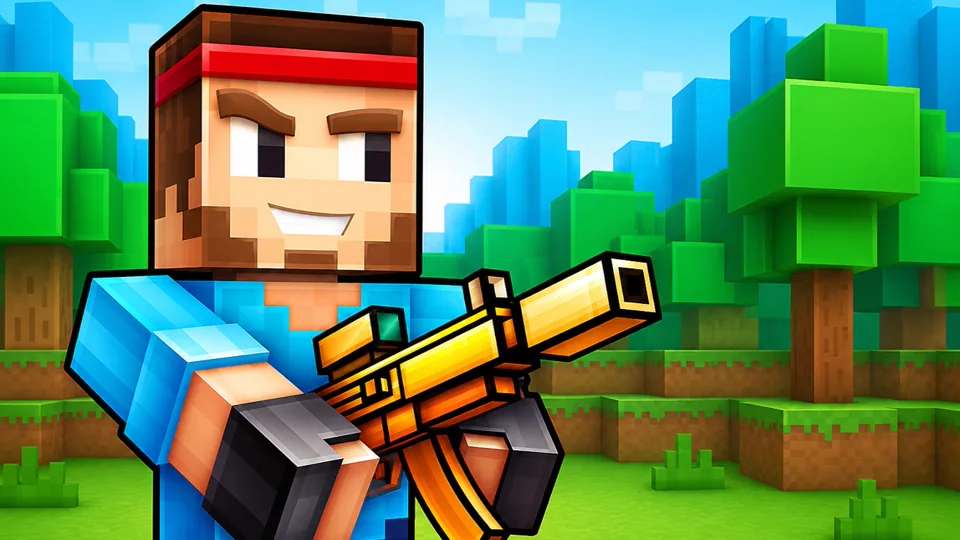
Pixel Gun 3D is Cubic Games' blocky first-person shooter with multiplayer fights, campaign progress, Battle Royale, clans, gadgets, pets, cosmetics, and a huge weapon armory.
Blocky FPS With a Long Progression Spine
Pixel Gun 3D is a blocky first-person shooter from Cubic Games, but its real identity is bigger than a single arena. The series has grown around quick multiplayer fights, a solo campaign, Battle Royale, Team Fight, tournaments, clans, raids, seasonal events, cosmetics, pets, gadgets, and a large armory with hundreds of weapons and a long map list. That scale matters because every match sits inside a wider loop of XP, currencies, gear unlocks, and loadout decisions.
The first minutes are about learning the shooter basics: move, aim, fire, reload, jump, and swap weapons without staring at the controls. The longer game is about choosing which systems deserve attention. XP unlocks levels, modes, maps, and features. Coins buy weapons, skins, improvements, and useful items. Gems speed upgrades, open special rewards, or buy exclusive gear. Keys open Lottery Chests. Tasks, matches, events, tournaments, campaign exploration, Pixel Pass objectives, and chests all feed that progression.
The block style makes enemies, cover, and lanes easy to read, but strong play still comes from arcade FPS fundamentals: range, reload timing, movement, sightlines, weapon switching, objective rules, and the discipline to stop chasing a fight when the angle has turned bad.
The scale of the arsenal is part of the identity. Pixel Gun 3D is known for a huge weapon catalog rather than one small set of rifles, and that makes category knowledge more useful than memorizing every weapon name. Primary, Backup, Melee, Special, Sniper, and Heavy slots each answer a different kind of problem. A player who understands those roles can evaluate new gear faster and avoid building a loadout that looks expensive but fails at a common range.
Modes Change What Good Play Means
Team Fight is the cleanest mode to understand. Two sides trade eliminations, and good play means controlling routes, staying with teammates, and winning repeated duels without feeding easy points. Deathmatch is more selfish. Every encounter is an opportunity, but every loud chase can expose you to a third player. Battle Royale changes the priority again: survival, gear pickup, safe positioning, and shrinking-zone awareness matter more than an early scoreboard rush.
Campaign gives the game a different rhythm. Instead of only dueling other players, it sends you through the Pixel Gun universe, introduces worlds and characters, and gives another route for XP and currency. Campaign fights teach aiming, enemy pressure, and weapon rhythm without the full chaos of competitive lobbies.
Campaign objectives can also teach cleaner play than a noisy lobby. Difficulty levels and challenge conditions push you to kill monsters efficiently, take less damage, and understand enemy approach patterns. That practice transfers back into multiplayer because the basics are shared: keep distance when a weapon needs space, reload before the next wave or push, and stop letting enemies enter your blind side.
Raids and clan systems push toward cooperation and long-term goals. Raids are built around team progress, key collection, and boss pressure, while Clan Wars add territory, resource competition, and group rewards. Mini-games break the rhythm with side activities such as racing, parkour, gliding, and themed challenges. Classic modes, event modes, tournaments, Free Play, and side challenges all change what the correct weapon choice looks like, so a loadout should be judged against the mode instead of against a single favorite map.
Armory, Gadgets, and Loadout Reading
The Armory is the heart of Pixel Gun 3D progression. It is where weapons, armor, gadgets, accessories, skins, gun skins, Battle Royale equipment, pets, and crafted items come together. Early players begin with a basic loadout, then use levels, currency, chests, events, coupons, clans, and seasonal rewards to expand their options.
Weapon categories matter because a single favorite gun cannot solve every distance. Close fights need fast response and reliable damage. Long lanes reward accuracy and patience. Heavy weapons punish grouped opponents or predictable movement, but waste value if fired into bad angles. A strong loadout should cover close, mid, and longer ranges without forcing the same weapon into every situation.
Think of the six weapon roles as a conversation. Primary weapons handle the regular fight. Backup weapons rescue awkward moments when the main gun is empty or poorly matched. Melee affects movement habits and close pressure. Special weapons often create unusual effects, utility, or burst windows. Sniper weapons control long sightlines and punish exposed players. Heavy weapons create area pressure, finish grouped opponents, or force movement out of cover. The strongest setup is not six flashy picks; it is six answers to different fight states.
Armor, wear, and accessories shape the same conversation from the defensive side. Extra survivability is not exciting on paper, but it changes whether a player can survive the first mistake, cross a dangerous lane, or hold an objective long enough for teammates to arrive. Pets add another layer of pressure and personality. They do not replace aim or positioning, but they can add small advantages that matter during crowded fights.
Gadgets add timing. A gadget used in an empty hallway is wasted. A gadget used while enemies are grouped, while a push begins, or while an escape route is closing can decide the fight. Crafted items and event gear give long-term runs more texture, and the Gallery becomes useful once testing replaces guessing. The Polygon is where unfamiliar weapons can be checked for rhythm, travel time, spread, and range before they become part of a real loadout.
Good loadout habits:
Key Highlights
- Keep one weapon ready for close-range panic fights.
- Reload behind cover, not while crossing open lanes.
- Switch weapons before the enemy reaches your blind spot.
- Use long-range options only when the map gives you time to aim.
- Treat gadgets as timing tools, not random buttons.
- Test unfamiliar weapons before building an entire plan around them.
Maps Reward Readable Movement
Pixel Gun 3D maps often use bright blocky geometry, which makes cover and routes easier to parse than in realistic shooters. That readability is an advantage only if you use it. Bridges, pools, castles, temples, ships, rooftops, toy rooms, villages, sky islands, and corporate interiors all create different questions: where are the long sightlines, where can enemies drop from above, where is the safest reload point, and which route lets you retreat without turning your back?
In a small arena, movement is survival. Jumping can break an enemy's aim, but careless jumping can also ruin your own shot. Sprinting across open space may work once, but a player watching the lane will punish it. High ground gives vision, but it also makes you visible. Corners are valuable because they let you decide when the fight begins.
Battle Royale map logic is different. Dropping without gear means the first goal is not to prove aim; it is to survive the opening scramble, gather usable weapons, and avoid unnecessary fights until the loadout can win them. As the danger zone shrinks, greedy looting becomes dangerous. A modest weapon in a strong position is often better than a better weapon found too late in a bad route.
A Better First Session
Start with the tutorial and do not rush past control memory. Learn movement, aiming, reload, jump, weapon switching, and the way your first loadout handles recoil or projectile travel. Then play a few Team Fight or Deathmatch rounds to build map awareness. Campaign is worth mixing in early because it adds XP, world context, and a lower-pressure way to practice.
Spend early currency with restraint. A flashy weapon is tempting, but a balanced loadout does more work than one expensive gun surrounded by weak options. Use tasks and events as direction: if a task rewards a mode you have ignored, try it before grinding the same match repeatedly. Open chests and collect keys naturally through wins and event progress instead of treating rewards as the only reason to play.
The cleanest improvement rule is simple: win the map before trying to win the duel. Know where you can reload. Know which lane exposes you. Know when the mode values survival over aggression. Pixel Gun 3D looks playful because of its blocky style, but strong matches still come from disciplined FPS fundamentals: crosshair placement, cover, ammo control, range matching, and objective awareness.