MiniBlox Online
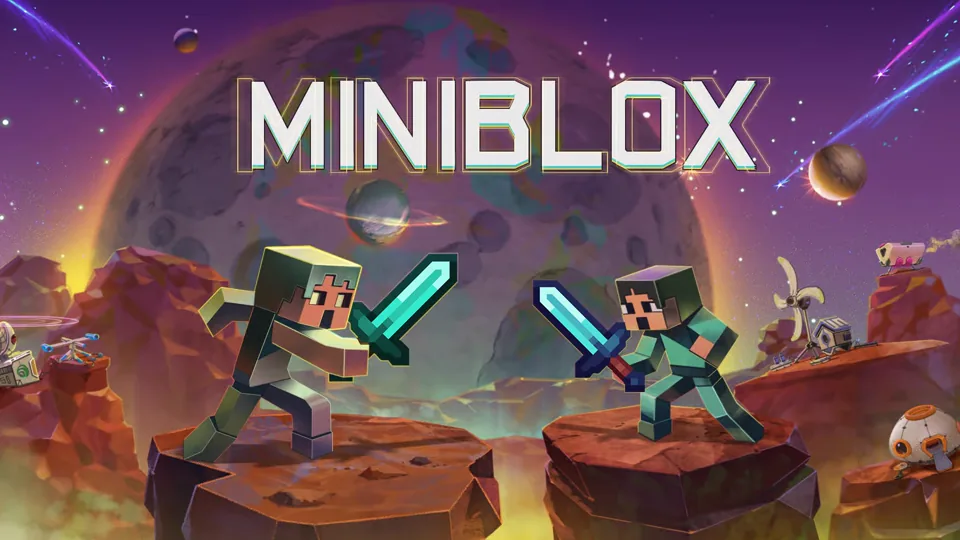
MiniBlox is a voxel game that mixes Survival, Creative building, world creation, social play, and fast multiplayer modes like Skywars, EggWars, Murder Mystery, Spleef, and duels.
Compact Voxel Mode Hub
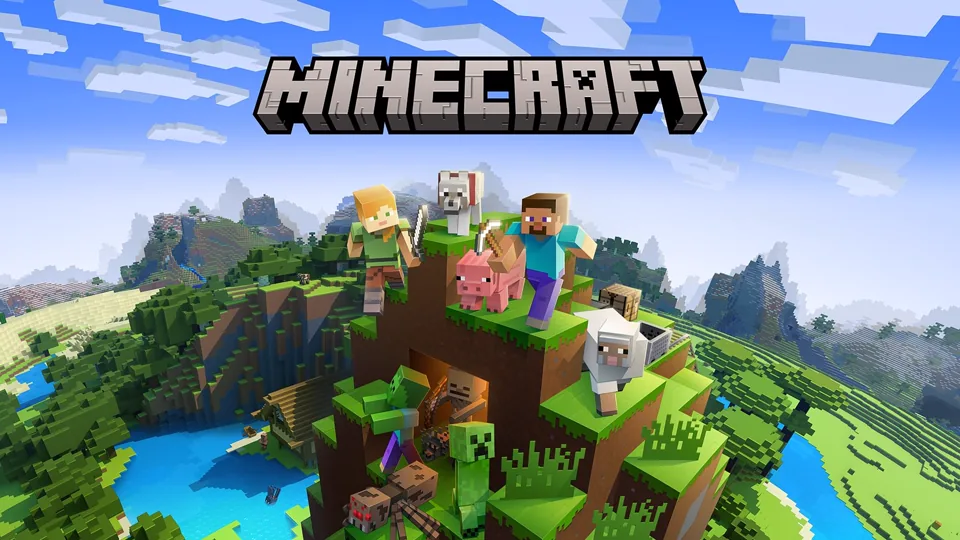
MiniBlox is a voxel game that combines block-building freedom with short multiplayer modes. It belongs near Minecraft-style games because it uses mining, crafting, building, blocky terrain, and survival pressure, but it is not trying to be a specific Eaglercraft version. Its identity is faster and more social: sandbox building, created or loaded worlds, personal spaces, and competitive modes with clearer round pressure all sit inside the same hub.
MiniBlox has a broad mode map: Survival, Creative, Superflat, Plots, Skyblock, OneBlock, Parkour, Skywars, EggWars, Murder Mystery, KitPvP, Classic PvP, Bridge Duels, Block Hunt, One in the Quiver, Spleef, and Blitz Build. The Survival side follows a classic open-world loop: drop into a blocky world with nothing but your fists, chop trees, mine resources, craft tools and weapons, build a base, and survive solo or with friends. The account layer adds daily rewards, friends, parties, cosmetics, saved progress, and cross-device continuity. That range is the reason MiniBlox works. You do not need to commit to one long world every time; the same game can support a survival run, a build session, a parkour route, or a PvP round.
The account layer matters because MiniBlox is built around repeat visits. Guest play gets you into the game quickly, but account creation is tied to saved progress, unlocked items, saved builds, daily bonuses, friends, parties, skins, pets, and cross-device continuity. That separates MiniBlox from smaller one-session block games. It wants to be a recurring multiplayer hub, not only a quick voxel demo.
The world browser also changes the shape of the game. MiniBlox exposes created worlds as Planets, with options to browse active worlds, create a new space, load an existing one, or join by code when a friend shares access. That makes the sandbox side feel closer to a small social platform than a single survival save. A player can spend one visit testing a personal plot, another joining a crowded world, and another entering a named minigame without relearning the controls.
Survival, Building, and Minigames
MiniBlox has three main rhythms. Survival is the resource rhythm: gather wood, stone, and food; craft tools, weapons, and armor; build a base; explore; mine; and team up with friends when the world becomes more demanding. Creative is the construction rhythm: use unlimited blocks, create worlds, build without survival pressure, and use modes such as Superflat or Plots for a clearer construction space. Minigames are the competitive rhythm: enter a focused rule set with a winner, timer, route, replica build, or elimination condition.
Controls are close to modern voxel habits. WASD moves, Space jumps, Shift sprints, crouch controls help with careful edges, left click mines or attacks, right click places blocks, E opens inventory, Enter opens chat, P pauses, and double-tapping Space can enable flight in Creative. Those controls are simple enough to start quickly, but different modes stress different parts of them.
Skywars and EggWars are the clearest PvP anchors. Skywars places pressure on floating islands, where looting, bridging, knockback, and fall risk shape every fight. EggWars is more team-objective driven: protecting your egg matters because it controls comeback potential, while attacking other eggs opens the match. KitPvP and Classic PvP are more direct combat tests, while Bridge Duels add route control and scoring pressure.
Bridge Duels deserves its own mental model. The goal is not simply to win a fight in the middle; the goal is to cross the gap, reach the opposing side, and score while preventing the other player from doing the same. Good players place blocks while moving, reset after knockbacks, and know when to ignore a fight for the scoring route. It is a compact test of bridging, aim, sprint control, and risk judgment.
Murder Mystery and Block Hunt change the pace. They reward reading player behavior, hiding, deception, and map knowledge rather than only mining or fighting. Parkour strips the game down to movement, while Spleef turns block destruction into a positioning duel. Blitz Build, Skyblock, and OneBlock add more construction-focused constraints: copy a build, survive from a tiny island, or expand from a single starting block. Those modes matter because they keep MiniBlox from becoming only a PvP lobby; the same account can carry a builder, survivor, parkour learner, and combat player.
Blitz Build is the clearest non-combat skill check: study the example, recreate it block by block, and beat the timer with both speed and accuracy. It rewards a different kind of block knowledge from Creative. Shape, color, height, symmetry, and missing details have to be read quickly, so the mode trains visual memory rather than simply offering a bigger palette.
One in the Quiver is the opposite kind of focus. Because a single arrow can decide the exchange, wasteful shots create immediate pressure. You need calm aim, close-range cleanup, and awareness of who is waiting behind you. Spleef asks for another skill again: do not stare only at the opponent. Watch your own floor, keep a route out, and break blocks in a way that limits where the other player can land.
Key Highlights
- In Survival, build a small base before chasing distant resources.
- In Creative, test block palettes and structure shapes before adding detail.
- In Skywars, loot fast, bridge carefully, and watch every island edge.
- In EggWars, protect your egg before overcommitting to attack routes.
- In Parkour, prioritize rhythm and camera control over raw speed.
- In Spleef, break the floor under opponents while keeping escape space.
- In One in the Quiver, aim discipline matters because a single arrow can decide the exchange.
A Hub Built Around Mode Switching
MiniBlox is a block-game hub rather than a single slow sandbox. Minecraft-style visuals sit beside quicker multiplayer goals, social features, cosmetics, friends, parties, and repeated minigame practice. The account layer matters because it lets builds, identity, and competitive habits live in the same place instead of resetting after every mode change.
Survival carries the closest Minecraft-like rhythm: fists, wood, stone, food, tools, armor, mining, base building, and friends. Creative, Superflat, and Plots move the focus to design rather than danger. Parkour isolates movement mastery. Skywars, EggWars, KitPvP, Classic PvP, Bridge Duels, and One in the Quiver create direct competition. Murder Mystery and Block Hunt shift the pressure toward social deduction and hiding rather than pure combat.
MiniBlox is not a historically accurate Minecraft version branch and does not revolve around specific Java compatibility. Its strength is the independent voxel-hub structure: building, survival, social play, and short competitive modes sit together under one control language.
The mode-switching structure is the point. Survival brings trees, tools, food, mining, and base growth. Building modes bring Creative, Superflat, Plots, and Blitz Build. Competitive modes bring Skywars, EggWars, KitPvP, Classic PvP, Bridge Duels, Spleef, and One in the Quiver. Social systems bring parties, friends, chat, worlds, and hiding or deduction modes where behavior matters as much as aim.
Start With One Rhythm
Start with one mode and judge it on its own terms. Survival teaches the resource loop. Creative teaches block placement. Parkour teaches movement control. Duel-style modes teach aim, timing, and pressure. MiniBlox becomes clearer when each mode is treated as its own rhythm inside a compact multiplayer voxel hub.
If you choose Survival, set a first-world target instead of wandering. Collect wood, make basic tools, secure food, place a small base near recognizable terrain, and store spare materials before exploring too far. If you choose Creative or Plots, begin with a limited block palette so the build has direction. If you choose Parkour, do not mash jump; use consistent camera angles and learn where momentum matters.
If you care about progress, create or use an account before investing heavily in builds, cosmetics, or statistics. Guest play is convenient, but account features are tied to saved progress, unlocked items, daily rewards, friends, parties, and cross-device play.
In competitive modes, learn the map before trying risky plays. Skywars punishes careless bridges. EggWars punishes teams that forget defense. Spleef punishes players who stand on weak ground too long. Parkour punishes camera panic. A few slower rounds spent reading routes and spawn points will improve results more than sprinting blindly into the first fight.
In sandbox modes, start small. A compact shelter, clean path, test tower, or simple plot build teaches more than a huge unfinished structure. Once controls, inventory, and placement feel natural, expand into larger terrain edits, detailed interiors, or team builds with friends.
For group sessions, pick the mode before inviting everyone. Survival needs role splitting: one player gathers wood, one mines, one prepares food, and one marks routes. EggWars needs defense before attack. Bridge Duels needs a scorer and a defender mindset even in short rounds. Build modes need a theme, scale, and palette. MiniBlox works best when friends are not simply standing in the same world, but pushing toward the same small objective.