





Minecraft Survival Online
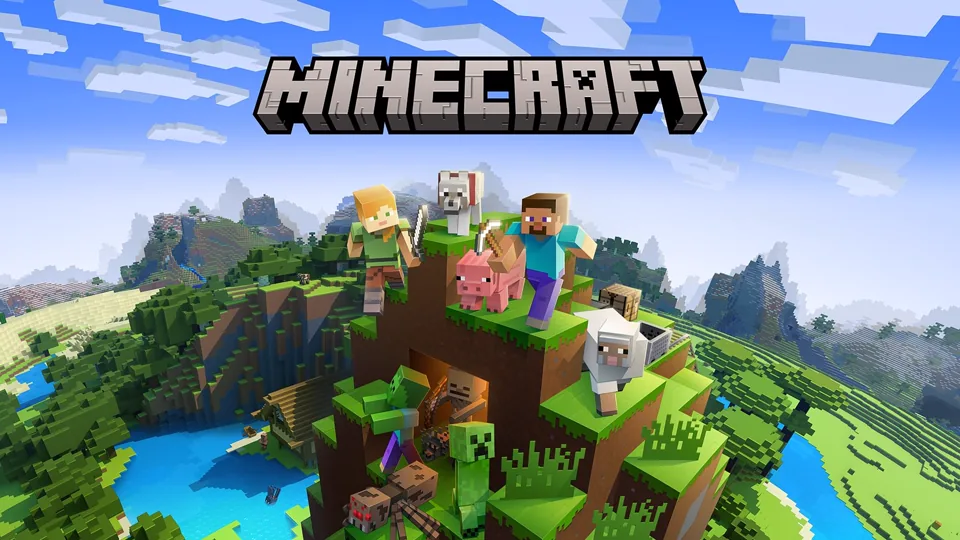
Minecraft Survival is about gathering resources, crafting tools, building shelter, and staying alive in a dangerous block-generated world.
First Night Survival Discipline
Minecraft Survival turns the block-building idea into a deadline. The world is open, but daylight is limited, resources are unevenly distributed, and darkness changes the rules. Creative building asks what should exist. Survival asks what can be secured before night punishes poor order of operations. That is why the first objective is not a beautiful house. It is wood, a crafting table, basic tools, stone, light, food, and a place where danger cannot walk straight in.
Good survival play begins before the first structure exists. The first minutes should reduce uncertainty. Wood unlocks planks. Planks unlock sticks and a crafting table. A crafting table unlocks tools. A wooden pickaxe unlocks stone. Stone unlocks faster tools and the furnace. Coal or charcoal unlocks torches. Food keeps exploration from turning into panic. Shelter protects all of those gains long enough for the second day to matter.
This is the central difference from free building. In survival, every block has opportunity cost. A stack of planks spent on decoration too early might have been sticks, tools, doors, chests, fuel, or a first shelter wall. A player who treats the opening as a build order reaches night with options. A player who wanders without priorities often reaches night with a half-built idea and no safety plan.
Wood, Stone, Furnace, Light
The clean opening is simple: punch a tree, make planks, make a crafting table, make sticks, and craft a wooden pickaxe. Do not waste time making a full wooden tool set unless the version demands it. The wooden pickaxe exists to reach cobblestone. Once stone is available, upgrade immediately. Stone tools are faster, last longer, and make the rest of the first day less fragile.
First-night guidance targets enough cobblestone for practical work: three for a stone pickaxe, eight for a furnace, and extra pieces for a sword, axe, or shelter material. The exact number is less important than the principle. Stone is not only a better material; it is the gateway to a stable base. A furnace means cooked food, ore processing, and charcoal if coal has not appeared nearby.
Coal is excellent, but charcoal is the survival backup that prevents a bad spawn from ruining the night. If you have logs, planks, and a furnace, you can smelt wood into charcoal and turn it into torches. That detail matters because light is not cosmetic. Light lets you see, mark routes, work underground, and control where danger can appear. A torch placed early can be more valuable than a decorative wall placed early.
Food belongs in the same priority group. Raw food may keep you alive, but cooked food is more efficient when cooking exists. Animals near spawn are useful, but they should not pull you so far away that you lose the base site. Gather enough food for safety, cook what you can, and return before the day collapses into a scramble.
Shelter as Infrastructure
The first shelter is infrastructure, not architecture. A dirt box, a tiny wooden hut, a blocked cave entrance, or a carved hillside room can all be correct if they solve the survival problem. The first shelter needs walls, controlled entry, enough light, and space for a crafting table and furnace. Beauty can come later. A first night base that looks crude but keeps tools, food, and torch supply safe has done its job.
Useful early shelter traits are concrete:
If sheep are nearby and beds exist in the version, a bed changes the risk profile because it can skip the first night and set a safer rhythm. If wool is not available, do not chase it forever. A secure room and a working furnace are better than a long animal hunt that ends after sunset. If you found a cave entrance, blocking and lighting a shallow section can save construction time. If you found flat land, a small above-ground hut is faster to read and expand.
Temporary is not a failure. Temporary is how survival creates stability. The first base can later become a storage room, mine entrance, starter hut, or abandoned landmark. What matters is that it turns the first night from a panic event into productive time.
Key Highlights
- A blocked or door-controlled entrance.
- Interior light near workstations.
- A furnace and crafting table within reach.
- A view slit, window, or safe way to check morning.
- Spare blocks for emergency sealing.
- A route back to nearby stone, wood, and food.
Darkness, Mobs, and Route Control
Night is dangerous because darkness changes space. Open ground becomes hostile. Unlit caves become traps. A path without markers becomes easy to lose. Standard Minecraft enemies each teach a different survival habit. Zombies test doors, walls, and controlled openings. Skeletons punish open space with arrows. Spiders climb and ignore some simple barriers. Creepers punish poor spacing and careless fights near valuable structures.
The answer is not constant combat. The answer is control. Place torches around the base entrance. Light nearby caves before using them. Fight away from storage and workstations. Use blocks as emergency cover. Avoid letting enemies gather at the only door. When possible, shape the terrain so you decide where contact happens.
Caves deserve respect because they offer resources and confusion in the same package. A cave can provide coal, iron, stone, and shelter, but it can also split into dark routes that erase your sense of direction. Bring torches, food, a weapon, blocks, and wood before pushing deep. Mark turns. Many players use a simple habit: keep torches consistently on one side while going in, then follow the opposite side back out. Even if you use another marker system, the rule is the same: do not trust memory underground.
Avoid mining straight down. Build stair routes, step routes, or safe shafts with return access. The fastest descent is not useful if it creates a one-way mistake. Survival rewards repeatable routes more than dramatic dives.
Night Can Be Productive
A secure night is not wasted time. Once the entrance is safe and the room is lit, use the darkness to advance the base. Cook food. Smelt ore. Make more torches. Expand the room from the inside. Organize the hotbar. Craft spare tools. Dig a short controlled mine. Add storage. Plan the second day route. The point is to use danger as structure rather than waiting passively for it to disappear.
Hotbar order matters more than new players expect. Keep the pickaxe, weapon, torches, food, and spare blocks easy to reach. Blocks are a survival tool because they can seal a hole, make stairs, stop a mob, mark a route, or create instant cover. Torches should not be buried in an awkward slot when entering a cave. Food should not be hard to reach during a retreat. Survival mistakes often happen because the right item exists but cannot be reached in time.
Morning should have a plan. Do not step outside simply because the sun rose. Check for lingering enemies, especially near shaded areas. Recover dropped resources, expand torch coverage, gather more wood, improve food supply, and choose the next upgrade. If iron is available, armor and better tools change risk. If animals are nearby, food and beds become more reliable. If the starter shelter is too cramped, expand after safety is already established.
A Strong Second Day
The second day is where survival starts to feel like a system instead of a scramble. A good second-day checklist is modest: more logs, more torches, cooked food, a better mine entrance, storage, clear landmarks, and a safer base perimeter. If beds exist, wool plus planks becomes a high-value target. If farming exists, seeds and a small water-adjacent plot create future food stability. If iron appears, choose upgrades by risk: armor and weapons for danger, pickaxe for resource access, bucket for utility.
Do not overextend just because the first night went well. Open worlds tempt players into long wandering trips. Better survival progress comes from controlled loops: leave base for a specific goal, mark the route, return, upgrade, then push farther. Each loop should leave the base stronger than before. That rhythm turns Minecraft Survival from random exploration into compounding safety.
The best early shelter eventually becomes a network. A lit path to trees. A marked route to a mine. A small food source. A chest for spare tools. A door or blocked entry that actually works. A landmark visible from nearby terrain. Once those pieces exist, creative building becomes much easier because the survival layer is no longer screaming for attention.
Minecraft Survival works because freedom and pressure reinforce each other. The game does not need to force a quest marker when night, hunger, tools, light, and mobs already create priorities. The player who survives is not the one who builds the prettiest wall first. The player who survives is the one who turns the first day into a sequence: wood, crafting table, wooden pickaxe, stone, furnace, torch supply, food, shelter, controlled night work, and a stronger second morning.