




Mall Fury Online
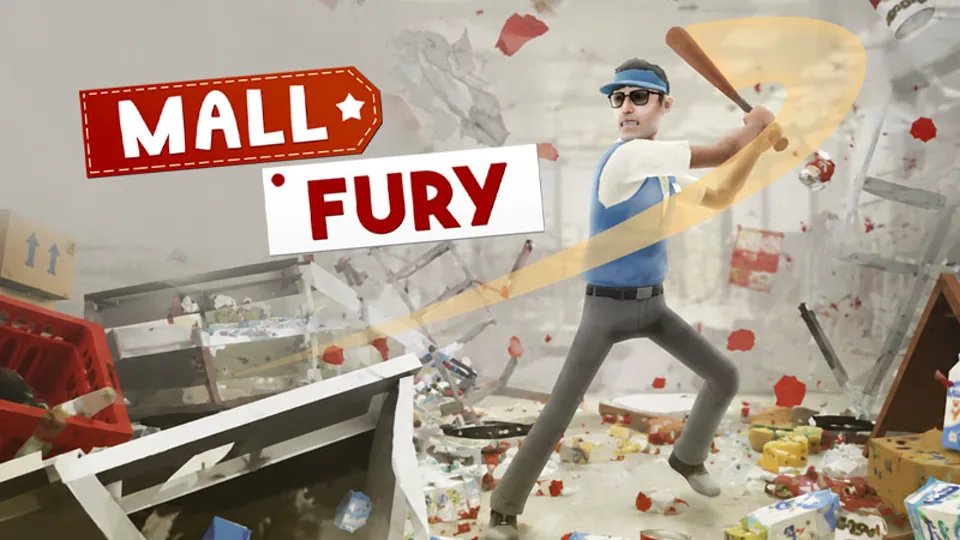
Mall Fury is a 3D destruction game where store routes, dense object clusters, coin collection, weapon upgrades, and character customization drive each mall rampage.
A Retail Space Built for Damage
Mall Fury is a 3D destruction game that turns a shopping center into a compact rampage route. The premise is blunt in the best arcade way: a bored character enters the mall with a weapon, moves through stores, breaks shelves and displays, collects the money created by the damage, then spends that money on weapons, outfits, and character upgrades. There is no campaign mystery hiding behind the action. The game works because a normal mall is full of small objects, and every small object can become part of a score, coin, or upgrade chain.
The strongest idea in Mall Fury is not destruction by itself. It is destruction as economy. A shelf is not just scenery; it is potential cash. A crowded storefront is not just a place to pass through; it is a cluster of breakable value. A weapon upgrade is not just cosmetic power; it changes how many hits a room requires before it becomes empty. That makes the game feel closer to a damage-routing arcade run than to a pure toy box. You can still play it as stress relief, but better results come from reading the mall layout quickly and turning every room into a profitable path.
Most versions describe the same input structure. WASD or the arrow keys move the character on PC. The main smash or interaction action can be left mouse click, J, or Space, while touch controls combine movement and attacks on mobile. Those controls are simple enough that the first mistake is rarely mechanical confusion. The real mistake is wasting time in low-value space. A long corridor with a few decorations may look tempting, but a tight shop with shelves, displays, furniture, doors, and equipment usually pays better.
The timer is the main pressure. Mall Fury is not asking the player to survive waves or beat opponents; it asks how much mess can be made before the countdown reaches zero. That changes the value of every movement decision. Standing still to hit one stubborn prop can be worse than leaving it behind and sweeping through three easier clusters. The best run is rarely the one with the most random damage. It is the one with the least dead walking.
Damage, Coins, and Upgrade Tempo
Mall Fury gives immediate feedback for nearly every useful action. Breakable props collapse, cash or coins appear, and the upgrade loop starts to pull the next run forward. The core cycle is simple: destroy objects, earn money, buy stronger tools, and return with greater destructive reach. Timers, quick coin collection, boosters, and high-score pressure all push the same practical rhythm: stay active, stay near dense targets, and convert every profitable run into faster future clears.
Several descriptions emphasize that dropped coins should be collected quickly. That small detail matters because it prevents the game from becoming only a smashing animation. A careless player can destroy a room and still lose part of the value by running away from the reward trail. A cleaner route breaks objects from the outside of a cluster, crosses through the coin path, then exits toward the next group. Coins, not just broken props, decide upgrade speed.
Weapon strength matters because it changes room math. With a weak tool, a dense store may take too many separate actions, which makes isolated targets feel less punishing but keeps the overall pace slow. With a stronger weapon, the best rooms become dramatically better because one attack can clear more value before the clock or momentum punishes you. That is why early upgrades are usually more important than perfect first-run routing. The first few purchases reduce friction everywhere, and once the basic tool set feels strong, saving for larger upgrades becomes more sensible.
Coins also create a route discipline. If the current version drops rewards onto the floor, a sloppy path can leave value behind even after the object is destroyed. In that case, it is better to sweep through a store in a curved line: hit a cluster, collect the rewards, then move into the next cluster without backtracking. If rewards are added automatically, the same idea still applies, but the priority shifts toward uninterrupted damage. Either way, the useful question is not "What can I break?" but "What can I break while still moving toward the next valuable group?"
Outfits and customization give the loop a lighter tone, but weapons and utility upgrades do most of the mechanical work. A funny character skin makes the rampage more memorable; a stronger tool changes the run. When choosing between purchases, look for anything that improves hit speed, area coverage, reward rate, or the ability to clear dense props with fewer stops. Mall Fury is not complicated, yet the economy becomes better when upgrades are judged by how much dead walking they remove.
Boosters are strongest when saved for dense areas. Using a booster while crossing a hallway wastes the moment because movement is not the profitable action. Trigger it near shelves, doors, furniture, display stands, or store equipment so the effect turns directly into score and money. This is the same reason weapon upgrades usually beat outfits during early progress: better destruction changes the next run, while cosmetics mainly change the mood.
Reading the Mall Like a Route
The mall setting matters because retail spaces are naturally divided into different destruction profiles. Store interiors are usually dense. Hallways are usually connectors. Corners can be useful if they hold decorations or furniture, but they can also become traps that waste time if the next valuable room is far away. A good Mall Fury run treats the environment as a chain of profitable pockets rather than a place to wander randomly.
Start by learning which objects consistently pay. Shelves, display stands, furniture, storefront props, walls, doors, and store equipment are the common targets because they cluster tightly and turn room damage into visible rewards. Decorative items may still break, but not every object has the same practical value. During the first run, treat it like scouting: identify the rooms that collapse quickly, notice where coins fall, and remember any areas that are too wide for their reward density. The second run should already be cleaner.
The best routes usually follow three principles:
This is where Mall Fury has more texture than its simple premise suggests. Random smashing is funny for a minute, but route discipline is what makes the game replayable. The mall starts to become a small map of choices: which store first, which object group is worth a turn, when to collect, when to leave, and when to save for a better upgrade instead of buying a small improvement immediately.
Key Highlights
- Enter tight stores before clearing open hallways.
- Attack grouped objects from an angle that lets one movement line pass through the rewards.
- Leave isolated props behind unless they sit directly on the path to the next dense area.
- Spend early rewards on tools that reduce the number of actions per cluster.
- Use boosters in rooms packed with objects, not while crossing empty space.
- When a timer is active, avoid returning to rooms that are already mostly cleared.
Why the Chaos Works
Mall Fury is strongest when treated as a short-session destruction economy. It does not need enemies, quests, or complex simulation because the feedback loop is already complete. Break an object, get paid, upgrade, and return stronger. The pleasure is the clean conversion of motion into damage and damage into progress.
That also explains the limits of the game. Precision platforming, tactical combat, and long story arcs are not the target. Mall Fury is built for fast arcade satisfaction: walk into a mall, cause visible damage, collect rewards, and improve the next attempt. The design resembles other stress-relief destruction games, but the shopping mall setting gives it an easy structure because stores naturally create rooms, clusters, and high-value pockets.
For better results, do one scouting run before judging the game. Test whether your version uses click, J, or Space for the main action, then learn which rooms have the highest object density. Spend your first money on upgrades that change clear speed, and save only when the next purchase is meaningfully stronger. If coins are disappearing before you reach them, shorten the route and collect more often. If the timer ends while you are still in hallways, stop chasing isolated props and enter dense rooms earlier. Once the controls and route settle, Mall Fury stops being only a joke about smashing a mall and becomes a compact arcade exercise in turning every broken display into momentum.