Blockpost Legacy Online
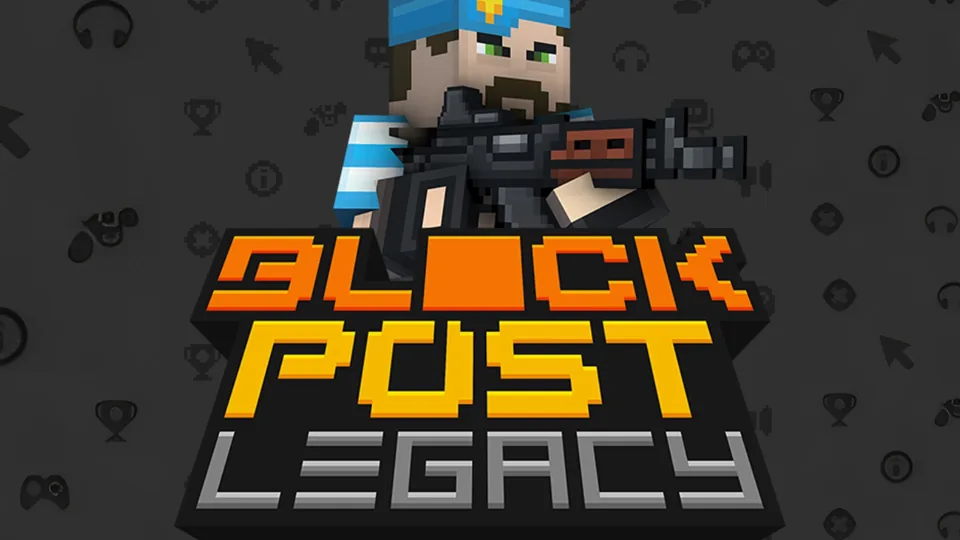
Blockpost Legacy is a voxel first-person shooter where blocky maps, weapon ranges, movement, cover, and mode objectives decide each fast round.
Cubic Arena Fundamentals
Blockpost Legacy is a voxel first-person shooter built around fast rounds, readable block maps, and classic FPS fundamentals. The graphics look simple, but the decisions are not. You still need to move with purpose, control sightlines, pick weapons for the map, reload before bad fights, and keep your crosshair where enemies are likely to appear.
Blockpost Legacy belongs to the same cubic shooter family as Skullcap Studios' Blockpost releases, but the useful way to read it is through the match loop rather than the version label. The shared gameplay is stable: cubic arenas, short matches, rifles, pistols, shotguns, snipers, knives, team or free-for-all objectives, Gun Game-style weapon progression, Pistol Only duels, Team Deathmatch pressure, and progression through play, skins, cases, tasks, or loadout improvements when available.
Steam-side data identifies Blockpost Legacy as a Skullcap Studios free-to-play action shooter released on April 25, 2019, with a procedural cubic 3D-shooter pitch, character customization, case opening, and arsenal improvement. That context explains why the game should be read as more than one firefight: the match shooting, the cosmetic chase, and the weapon progression systems all sit on top of the same fast voxel combat loop.
The reason the voxel look works for a shooter is clarity. Walls, crates, doors, ramps, corridors, and rooftops are easy to read. Targets stand out. Cover is obvious. That makes the game approachable, but it also means mistakes are exposed quickly. If you run through the center of a lane with your crosshair low, a better-positioned player will punish you immediately.
Weapons, Modes, and Sightlines
The core loop in Blockpost Legacy is spawn, read the mode, take position, win the first duel, rotate, and repeat. In a deathmatch-style round, every angle can become a duel. In team deathmatch, spacing with teammates matters because trading eliminations is stronger than feeding alone. In capture-style modes, the objective can be more important than chasing kills. In gun-game or pistol-only variants, the mode changes the weapon problem. Infection or zombie-style modes shift the priority toward survival, distance, and group control.
Mode names found across current indexes include Deathmatch, Free for All, Elimination, Zombie Infection, Team Deathmatch, and Gun Game. They should not be played with one identical mindset. Free for All rewards fast angle resets because every contact can be hostile. Elimination punishes careless first deaths because survival matters more. Zombie Infection shifts the map into space management, where distance, routes, and reload timing decide how long the living side holds.
Controls usually follow the standard FPS pattern. WASD moves, the mouse aims, left click fires, right click may aim down sights, R reloads, number keys switch weapons, Space jumps, Shift may sprint, and Ctrl or C may crouch. The exact build can differ, so check the visible control hints, but these inputs are the right mental model.
Weapons should be treated as roles, not just damage numbers. SMGs are strong when you can close distance and keep moving. Shotguns reward tight corners and punish players who enter rooms carelessly. Assault rifles are flexible across medium ranges, especially with controlled bursts. Sniper rifles need sightlines, patience, and crosshair discipline. Pistols matter in limited modes or as backup weapons. Explosives are useful for grouped enemies, chokepoints, or forcing someone out of cover, but they can leave you vulnerable if used lazily.
Map knowledge is the real progression. Learn where players spawn, where they peek first, where cover breaks long sightlines, and which routes let you rotate without crossing open ground. A blocky map may look simple, but every crate, stair, doorway, and roof edge changes how a fight begins.
Good Blockpost Legacy play feels less like constant rushing and more like controlled aggression. You push when the angle is yours, hold when the enemy must cross open space, and reposition when your location is known. Even casual matches reward those habits.
Key Highlights
- Keep your crosshair at head or upper-body height while moving, not pointed at the floor.
- Use short bursts at medium range instead of holding the trigger until recoil wins.
- Reload behind cover, not while walking into a lane.
- Pick weapons that match the map: shotgun for corners, rifle for flexible fights, sniper for long lines, SMG for pressure routes.
- Rotate after repeated kills so enemies cannot pre-aim the same position.
- Listen for footsteps, shots, reloads, and impact cues when the version has sound.
- Play the mode objective instead of treating every round as free-for-all.
Voxel FPS Fundamentals
Blockpost Legacy is a free online voxel FPS with immediate combat and readable block maps. It is not only a blocky visual novelty; it is a shooter about weapon ranges, cover discipline, recoil, timing, and mode objectives.
The readability of block games supports a competitive shooter structure. It is easier to parse visually than many realistic FPS games, yet it still asks for aim, recoil control, positioning, map sense, and weapon choice. That combination makes short sessions useful because a few rounds can show whether aim or positioning improved.
Mode variety changes the lesson. Deathmatch teaches dueling. Team modes teach spacing and trading. Capture modes teach route control. Gun-game formats force adaptation. Infection or zombie modes change the value of distance, reload timing, and crowd control. Pistol or melee-focused rounds strip the game down and expose fundamentals.
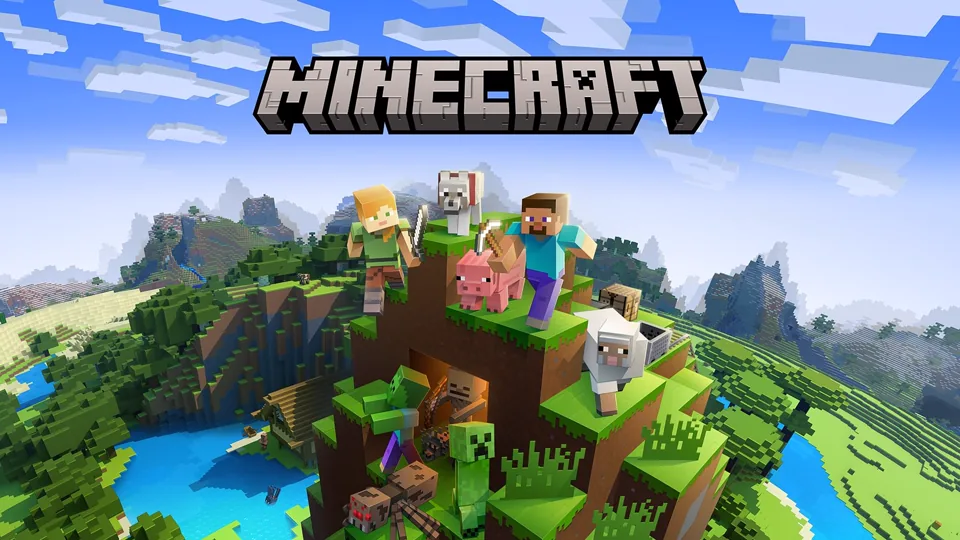
Peaceful block sandbox play is outside the loop. The voxel style may resemble Minecraft, but the design is combat first. You are not mining, farming, or building a house. You are fighting around a map where the blocks exist as cover, lanes, and sightlines.
Progression systems, if present in the current build, should be treated as motivation rather than the main skill. Skins, cases, levels, tasks, coins, or loadout unlocks can keep matches rewarding, but they do not replace crosshair placement and map control. A player with a basic weapon and strong positioning can outperform a player with a flashy skin and poor habits.
Cases and weapon improvements should be understood as long-term friction, not a replacement for round discipline. A new skin changes identity. A new weapon option changes range comfort. Neither fixes open-lane movement, late reloads, or low crosshair placement. The best use of progression is to specialize: keep one rifle you understand, one close-range answer, and one backup plan for modes that strip or rotate weapons.
First-Round Habits
Start by checking movement, aiming, firing, reload, jump, and weapon switching before judging the first duel. A few calm seconds with the controls prevents the first round from becoming random panic.
For the best first session, do not try to master every weapon. Pick one flexible gun, learn its recoil, and focus on staying alive longer. Count how often you die while reloading, sprinting through open space, or aiming too low. Those deaths are fixable.
Practice entering rooms with the crosshair already placed where an enemy head or upper body would be. This reduces the amount of aiming you need after contact. When you peek a corner, avoid exposing your whole body slowly. Step out with purpose, check the angle, shoot or retreat, then change timing if the enemy is waiting.
Use cover as a rhythm tool. Fire a burst, return to cover, reload or reset aim, then peek from a slightly different angle. Standing still in the open turns a blocky shooter into target practice for everyone else.
Watch the kill feed or score state when available. If your team is losing every fight in one lane, stop feeding that lane alone. Rotate, group with teammates, or change weapon range. If enemies keep appearing behind you, the map has a flank route you have not learned yet.
Finally, treat each round as a diagnostic. If you lose close fights, work on crosshair height and recoil. If you die before shooting, work on routes and cover. If you win duels but lose the match, play the objective. Blockpost Legacy becomes much more satisfying when every death tells you what to fix next.